Interior Selective Demolition In Charlotte NC
Interior selective demolition in Charlotte, NC, provides a systematic strategy for homeowners aiming to remodel. This process includes the cautious elimination of specific elements, preserving architectural stability while lowering waste. By focusing on sustainable practices, selective demolition enables the recycling of important materials. Comprehending its processes and advantages can significantly influence an improvement task. What are the vital variables to assess when launching this kind of improvement?
What Is Interior Selective Demolition?
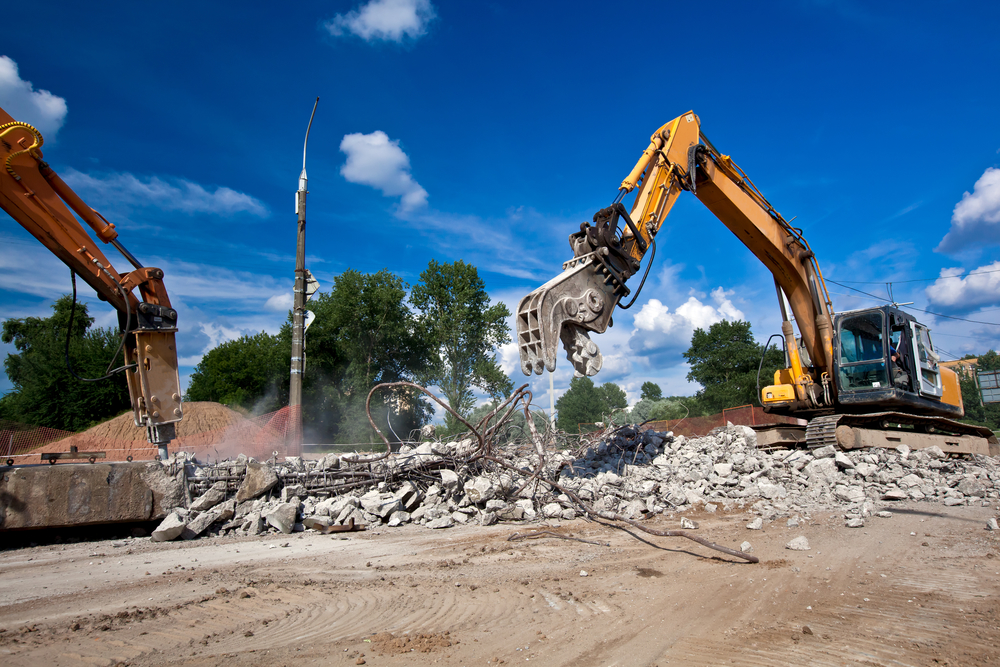
Commonly, this procedure consists of the removal of non-structural parts like wall surfaces, ceilings, flooring, and fixtures. Competent experts use specialized tools and methods to achieve accurate outcomes, prioritizing safety and effectiveness. By going with selective demolition, contractors can resolve details requirements without jeopardizing the general stability or aesthetic of the building. This strategy is particularly useful in city environments, where area is limited and maintaining surrounding frameworks is necessary. Eventually, interior selective demolition offers as a strategic strategy to modern construction and restoration projects.
Advantages of Selective Demolition for Homeowners
Homeowners can enjoy countless benefits from utilizing selective demolition in their remodelling jobs. This method permits the targeted elimination of particular aspects, such as walls, cabinets, or flooring, without jeopardizing the whole structure. By reducing unneeded destruction, homeowners can minimize and protect beneficial products waste, lining up with sustainable building practices.
Selective demolition likewise enhances security by lowering the danger of structural damages or dangerous material direct exposure throughout remodellings. In addition, it can lead to cost savings, as house owners may avoid the expense connected with complete demolition and disposal.
This method allows for greater layout flexibility, enabling home owners to reimagine and customize their areas according to personal choices. The capability to preserve existing attributes while making updates can develop an unique mix of new and old, eventually increasing the home's value. In general, selective demolition offers a useful service for property owners looking for effective and reliable restorations.
The Selective Demolition Process
The selective demolition procedure involves a precise technique to deconstruction, concentrating on specific locations of a framework while protecting the integrity of the surrounding elements. This method is important for projects calling for mindful improvement or improvement without jeopardizing nearby areas. A detailed evaluation of the website is performed to identify which parts require elimination and which must be preserved.
As soon as the plan is established, precaution are executed to safeguard employees and the setting. Specialized tools and tools are used to guarantee accuracy in the demolition, minimizing dust and particles. Knowledgeable workers meticulously take down targeted locations, such as wall surfaces, components, or floor covering, making certain that structural supports stay intact.
Throughout the process, constant monitoring is important to resolve any unforeseen obstacles. By highlighting mindful planning and execution, selective demolition not only assists in improvement but likewise advertises sustainability with the liable disposal and recycling of products.
Usual Projects That Make Use Of Selective Demolition
Selective demolition is regularly used in numerous tasks, consisting of property improvements, where house owners seek to modernize their rooms without a full teardown. Commercial rooms typically go through reconfigurations to adapt to changing service needs, making selective demolition a sensible option. Additionally, historic building reconstructions take advantage of this technique, enabling the preservation of crucial architectural functions while upgrading interiors.
Residential Renovation Projects
When beginning on residential restoration tasks, numerous residential property owners locate that selective demolition plays an essential function in attaining their layout goals (local demolition contractor charlotte). This process allows home owners to efficiently remove certain elements of a framework without endangering its total honesty. Typical applications consist of getting rid of obsolete components, wall surfaces, or floor covering to create an open floor plan or modernize interiors. Selective demolition enables the installation of new electrical systems, plumbing, and cabinetry while reducing waste and maintaining multiple-use products. In addition, this approach is usually used in cooking area and bathroom remodels, where targeted elimination can significantly improve functionality and aesthetic appeals. By utilizing selective demolition, homeowner can transform their rooms while sticking to ecological considerations and financial restraints
Business Room Reconfigurations
As services develop to meet transforming market needs, industrial area reconfigurations commonly require selective demolition to adapt existing formats. This process permits companies to optimize their operational efficiency by removing non-structural elements such as dividers, ceilings, and flooring, official statement developing even more practical rooms. Usual tasks consist of changing open office atmospheres, converting retail spaces right into multi-functional areas, or reconfiguring dining establishments to improve customer circulation. Selective demolition guarantees marginal disruption to the bordering facilities, permitting services to continue operations during remodellings. By purposefully eliminating obsolete functions, firms can much better utilize their rooms, improve worker collaboration, and improve client experiences. Ultimately, selective demolition plays an essential function in giving modern, versatile industrial atmospheres that align with existing organization approaches.
Historic Building Restorations
Historical structure repairs often call for cautious preparation and implementation, particularly when integrating modern-day performances while preserving architectural stability. Selective demolition acts as a crucial technique in these projects, enabling the removal of non-structural aspects, such as obsolete components, wall surfaces, and dividings, without compromising the structure's historical features. This method reduces waste and minimizes the danger of destructive initial materials. Typical tasks consist of the restoration of old theaters, storage facilities, and local buildings, where maintaining facade details and distinct craftsmanship is critical. By using selective demolition, contractors can produce practical rooms that recognize the past while satisfying contemporary needs, making certain that these historical structures remain appropriate and usable for future generations.
Ecological Factors To Consider in Selective Demolition
Selective demolition plays a necessary duty in decreasing ecological influences during remodelling and building tasks. This approach allows for the cautious removal of particular building components, such as wall surfaces, components, and floor covering, while protecting the overall framework and decreasing waste. By concentrating on deconstructing as opposed to conventional demolition, materials can be recovered and repurposed, significantly lowering land fill contributions.
Additionally, selective demolition promotes recycling and making use of lasting materials, lining up with ecologically friendly methods - legendary demolition charlotte near me. Hazardous products, such as asbestos or lead paint, can be determined and securely gotten rid of, making sure conformity with environmental laws. This method not just mitigates prospective wellness risks yet also adds to the conservation of neighborhood environments
Selecting the Right Contractor for Your Task
Selecting the ideal contractor for indoor selective demolition requires cautious assessment of licenses and credentials to guarantee compliance with market requirements. Additionally, examining previous task experience can give insights into the professional's abilities and integrity. This process is vital for accomplishing effective job end results.
Verify Credentials and Licenses
When beginning on an interior demolition project, verifying that the picked service provider has the essential qualifications and licenses is crucial. Proper licensing shows that the service provider follows neighborhood laws, safety and security standards, and image source industry ideal techniques. This not only fosters trust however additionally safeguards home proprietors from potential liability problems. It is imperative to validate that the contractor holds all called for certifications and permits certain to Charlotte, NC, as regulations can differ by area. In addition, looking for insurance coverage, consisting of obligation and workers' settlement, is important. This insurance coverage safeguards versus any crashes or problems that may take place throughout the demolition procedure. By prioritizing credential confirmation, clients can assure a smoother and much more secure project implementation.
Evaluate Previous Task Experience
Experience acts as an essential indication of a service provider's ability in indoor selective demolition jobs. Evaluating a specialist's previous project experience gives understanding right into their knowledge and integrity. It is important to assess the array and scale of previous tasks, as varied experiences usually reflect analytical abilities in different atmospheres. Possible clients should ask for case research studies or referrals that demonstrate effective completions, conformity with safety and security policies, and client satisfaction. Additionally, examining photographs or seeing completed sites can use a concrete sense of handiwork quality. This complete analysis guarantees that the chosen professional has the required skills and understanding to take care of the details needs of a selective demolition project, eventually bring about an extra adequate and efficient end result.
Price Variables to Take Into Consideration in Selective Demolition
Comprehending the price aspects related to selective demolition is crucial for building owners and service providers alike, as these expenses can vary noticeably based upon numerous variables. Secret factors to consider consist of the extent of the project, the intricacy of the demolition, and the materials involved. Getting rid of harmful materials such as asbestos or lead paint usually incurs greater expenses due to specialized handling and disposal requirements. Labor costs additionally play a considerable role; skilled you can find out more labor might be needed for complex jobs, increasing expenses.
The location and accessibility of the website can influence expenses. Urban settings might offer logistical difficulties, requiring added equipment and time. Disposal costs for debris and waste are another element, specifically if the materials are not recyclable. Task timelines can affect expenses, as expedited solutions might lead to increased labor fees. Awareness of these aspects allows more precise budgeting for selective demolition tasks.
Frequently Asked Concerns
For How Long Does Interior Selective Demolition Normally Take?
Typically, interior selective demolition takes one to 3 weeks, depending on the task's dimension and intricacy. Factors such as the degree of products eliminated and website conditions can influence the general period substantially.
Is a License Required for Selective Demolition Tasks?
An authorization is typically needed for selective demolition tasks, depending on local laws. It assures compliance with security requirements and zoning regulations, safeguarding both employees and the surrounding neighborhood during the demolition procedure.
What Precaution Are Taken During Demolition?
Throughout demolition, rigorous precaution include site inspections, safety equipment for workers, dust control approaches, proper handling of unsafe products, structural assessments, and adherence to local laws to ensure a safe workplace throughout the task.
Can I Reside In My Home During the Demolition?
What Happens to the Debris After Demolition Is Finished?
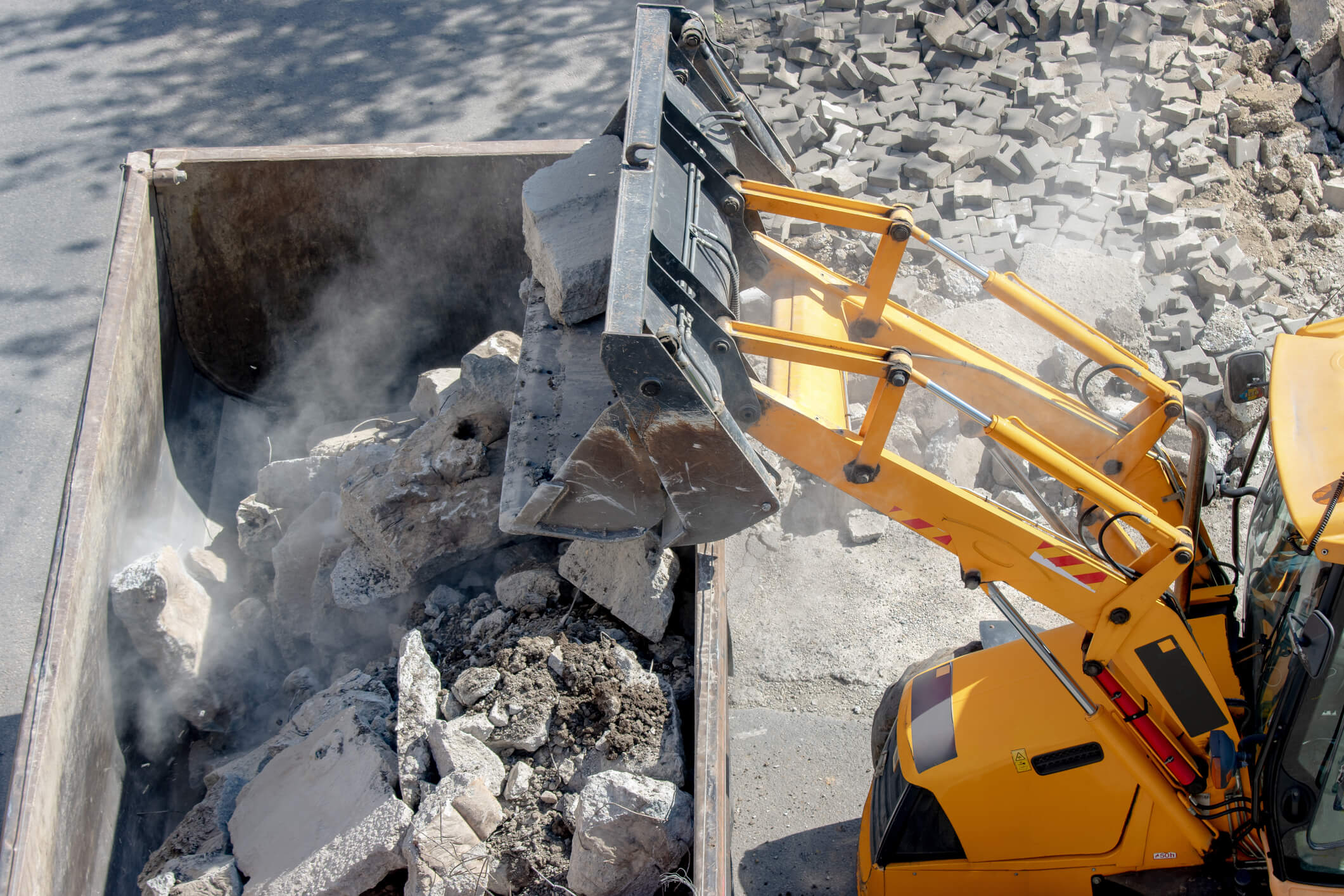
After demolition is finished, debris is commonly sorted and categorized for recycling or disposal. Salvageable products might be repurposed, while non-recyclable waste is carried to land fills, ensuring appropriate ecological and security laws are followed.
House owners can gain numerous advantages from utilizing selective demolition in their improvement tasks. Selective demolition is frequently utilized in various projects, including household renovations, where property owners seek to update their rooms without a complete teardown. When beginning on residential renovation jobs, lots of residential or commercial property owners discover that selective demolition plays an essential duty in attaining their design objectives. Selective demolition plays a vital function in lessening ecological influences throughout restoration and building and construction tasks. Experience offers as a crucial indication of a professional's capability in interior selective demolition jobs.